General: 450-378-4895
Sales: 1-877-378-1228


Choosing the right summer tires for your vehicle can affect grip, handling, braking and fuel consumption. With many brands and models available, the source article presents several criteria to consider when making your choice.
Summer tires are designed to perform in warmer temperatures, generally above 7°C. According to the source, their structure and compound can provide better grip, greater cornering responsiveness and shorter braking distances than all-season tires in certain conditions.
The article also attributes lower rolling resistance to summer tires, which may help reduce fuel consumption.
The source presents summer tires as particularly well suited to warm and dry conditions. It cites a Consumer Reports study stating that some summer tires may reduce braking distance by up to 10% compared with all-season tires on dry roads.
The article also highlights their grip on warm pavement, particularly during cornering and acceleration.
The article recommends choosing established brands and cites a 2025 J.D. Power consumer satisfaction study. According to the source, Michelin and Bridgestone rank among the leading summer-tire brands, with favourable results for performance and longevity.
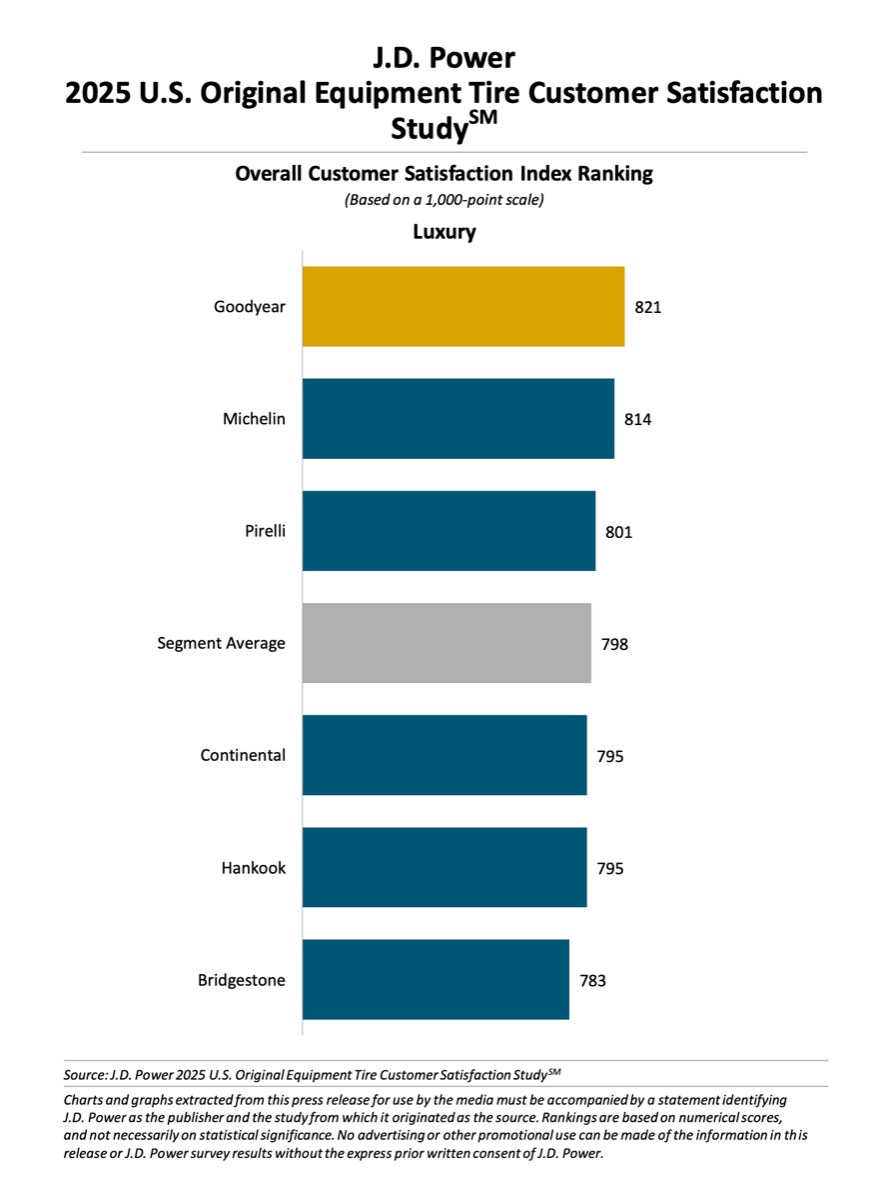
The source also mentions testing by Tire Rack and states that certain tire lines from these manufacturers perform well for grip and durability.
According to the article, summer tires stand out for their performance on dry and wet roads. It cites 2024 testing by Consumer Reports and Tire Rack and repeats a claimed reduction of up to 10% in braking distance compared with certain all-season tires.
On wet roads, the source also attributes better traction and a reduced risk of hydroplaning to summer tires.
Durability is another factor discussed in the article. According to data attributed to Tire Rack, some premium summer tires may last up to 80,000 km, depending on the model and driving conditions, while more economical models may reach approximately 50,000 km.
Actual tire life depends on factors including the tire model, driving habits, maintenance, alignment, inflation pressure and road conditions.
The article associates summer tires with improved energy efficiency due to lower rolling resistance. According to a claim attributed to Bridgestone in the source, they may reduce fuel consumption by 2 to 4% compared with winter tires.
Actual fuel consumption varies depending on the vehicle, tire, inflation pressure, speed, road conditions and driving habits.
Tire size plays an important role in vehicle behaviour. Recommended dimensions for width, aspect ratio and wheel diameter should match the specifications intended for the vehicle.
The source recommends checking the owner’s manual or consulting a tire professional to confirm the appropriate dimensions before purchasing.
According to the article, summer tires can be installed once outdoor temperatures remain consistently above 7°C. Their rubber compound is designed to perform more effectively at higher temperatures.
When choosing summer tires, the article recommends considering dry- and wet-road performance, durability, rolling resistance, recommended dimensions and driving conditions.
The source relies on claims attributed to Consumer Reports, Tire Rack, J.D. Power and Bridgestone. It also recommends consulting recognized sources and seeking professional advice before purchasing so the selected tires are appropriate for the vehicle and intended driving conditions.