Want to reduce your fuel expenses and drive more efficiently? These 12 tips for saving gas can help improve fuel economy and lower your vehicle budget.
1. Drive Smoothly
Hard acceleration and sudden braking increase fuel consumption.
Practical tips:
Accelerate and brake gradually
Anticipate traffic to avoid sudden stops
Maintain a steady speed on the highway
2. Check Tire Pressure and Tire Type
Tires have a direct impact on fuel consumption. Underinflated or unsuitable tires force the engine to work harder.
Practical tips:
Check tire pressure at least once a month
Inflate tires according to the manufacturer’s recommendations, usually shown inside the driver’s door
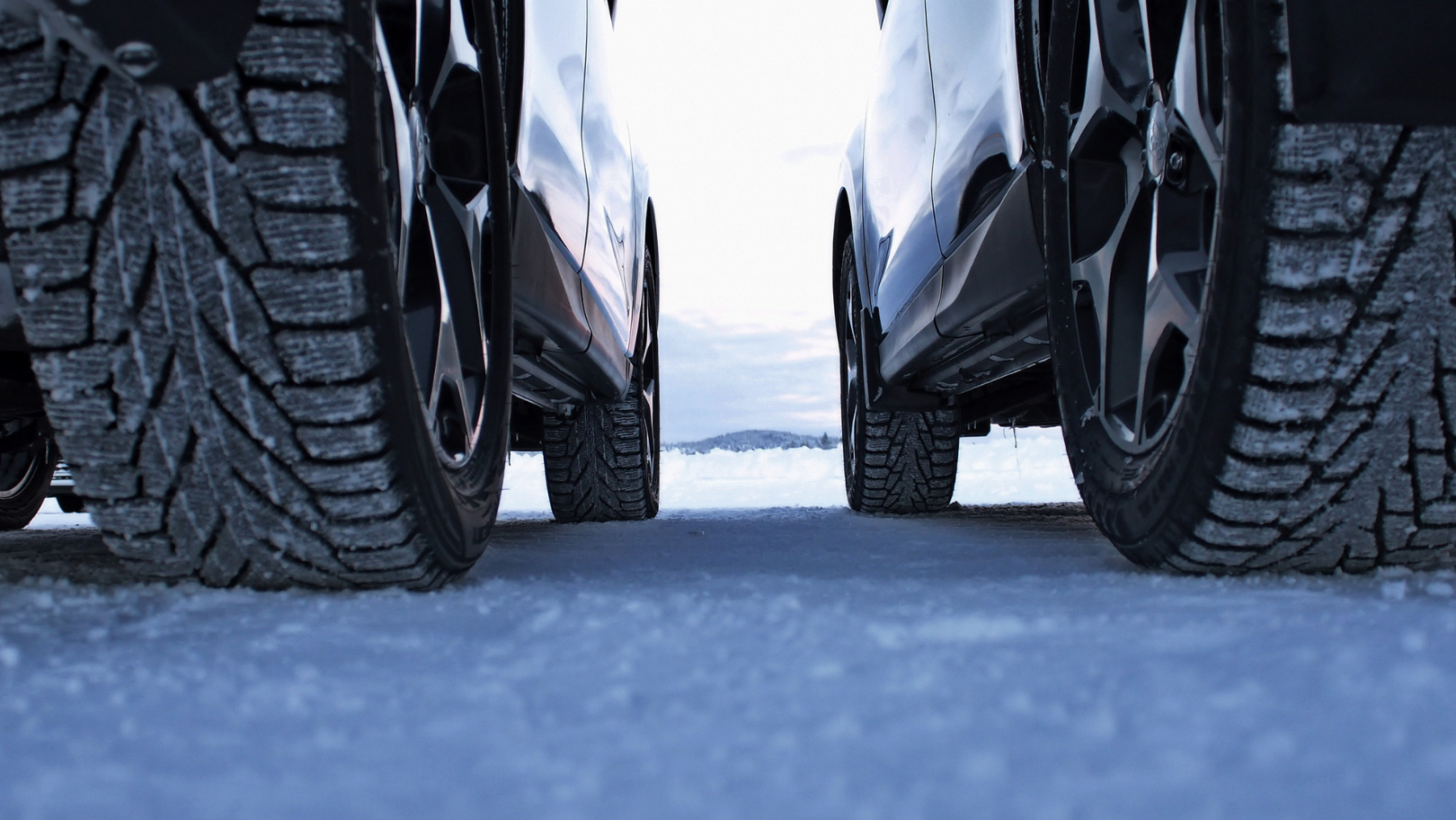
Install summer or all-season tires once temperatures remain consistently above 7°C: according to the source, driving on winter tires in summer increases rolling resistance and fuel consumption
3. Use Cruise Control
Cruise control helps stabilize speed and limit sudden variations that can use more fuel.
Practical tips:
Use it on longer trips
Combine it with smooth driving to maximize fuel savings
4. Turn Off the Engine and Use Remote Start Wisely
An engine that runs unnecessarily wastes fuel. Remote start can be useful for warming or cooling the cabin before departure, but using it for too long can waste fuel.
Practical tips:
Turn off the engine if you expect to wait for more than one minute
Use remote start for only a few minutes
Use that time to get ready or check your route
5. Plan Trips with Google Maps or Apple Maps
Avoiding unnecessary backtracking and heavy traffic can reduce overall fuel consumption.
Practical tips:
Combine errands and appointments
Travel during off-peak hours when possible
Compare routes to avoid congestion and unnecessary stops
Use route options to avoid highways, tolls or congested areas when appropriate
Plan ahead to help maintain a steadier speed
6. Reduce Vehicle Weight and Remove Exterior Accessories
Extra weight and exterior accessories can increase resistance and fuel consumption.
Practical tips:
Remove ski, kayak or snowboard racks and roof boxes when they are not being used
Limit unnecessary heavy items in the trunk or cargo area
7. Keep Windows Closed at Higher Speeds
At higher speeds, open windows create aerodynamic drag that can make the engine work harder.
Practical tips:
Keep the windows closed at higher speeds
Use air conditioning moderately when needed
8. Limit the Use of Energy-Consuming Accessories
The radio, heated seats and air conditioning place additional demand on the vehicle and can slightly increase energy or fuel use.
Practical tips:
Turn off accessories that are not needed
Use heating and air conditioning moderately
9. Anticipate the Road Ahead
Looking farther ahead can help avoid unnecessary braking and acceleration, which can reduce fuel consumption.
Practical tips:
Watch traffic conditions and road signs
Maintain smooth, predictable driving
10. Maintain the Vehicle and Check Wheel Alignment
A well-maintained engine and properly aligned wheels can help reduce fuel consumption and support vehicle longevity.
Practical tips:
Check the oil, air filter and spark plugs regularly
Schedule periodic inspections
Make sure the wheel alignment is correct
11. Use the Recommended Fuel
Using the fuel recommended for the vehicle can help optimize performance and consumption.
Practical tips:
Follow the manufacturer’s recommendations
Avoid choosing a more expensive grade of fuel when it is not required
12. Choose a Fuel-Efficient Vehicle
Smaller vehicles, hybrids and electric vehicles use less gasoline, or no gasoline in the case of fully electric vehicles, and may reduce operating costs over the long term.
Practical tips:
When planning your next purchase, consider a vehicle that matches your needs while using less fuel or energy
Centre de Liquidation BD in Granby
The article presents Centre de Liquidation BD in Granby as a dealership specializing in used, hybrid and electric vehicles, with inspected vehicles and guidance related to budget and fuel consumption.
In Summary
To save gas in Granby and reduce your vehicle expenses:
Drive smoothly and anticipate the road ahead
Check tire pressure and install summer tires once temperatures remain above 7°C
Use cruise control when appropriate
Turn off the engine during longer stops and use remote start moderately
Plan trips and reduce unnecessary vehicle weight, including racks and heavy items
Maintain the vehicle and check wheel alignment
Use the correct fuel
Use Google Maps or Apple Maps to compare efficient routes
FAQ – Fuel Economy and Efficient Driving
How do I know whether my tires have the correct pressure?
Check the pressure at least once a month and inflate the tires according to the manufacturer’s recommendations, which are often listed inside the driver’s door.
Does keeping the windows closed really make a difference?
Yes, especially at higher speeds, because it reduces aerodynamic drag.
Does removing racks or roof boxes really help?
Yes. Removing unnecessary exterior accessories reduces drag and weight, which can lower fuel consumption.
Does wheel alignment affect fuel consumption?
Yes. According to the source, improperly aligned wheels can make the vehicle work harder and increase fuel consumption.
Is switching to a smaller or hybrid vehicle cost-effective?
The source says it can be over the long term because of lower fuel consumption and operating costs.
Does remote start save gas?
It can prepare the cabin before departure, but the source recommends using it for only a few minutes because running it too long wastes fuel.
What role does Centre de Liquidation BD present itself as having when choosing a fuel-efficient vehicle?
The article states that the team can help buyers look for a used vehicle that suits their budget and needs.
Where can I find official vehicle fuel-consumption ratings in Canada?
In Canada, Natural Resources Canada’s Fuel Consumption Guide provides official fuel-consumption and energy-efficiency figures by model. View the 2026 Fuel Consumption Guide
To provide the best experiences, we use technologies like cookies to store and/or access device information. Consenting to these technologies will allow us to process data such as browsing behavior or unique IDs on this site. Not consenting or withdrawing consent, may adversely affect certain features and functions.
Functional
Always active
The technical storage or access is strictly necessary for the legitimate purpose of enabling the use of a specific service explicitly requested by the subscriber or user, or for the sole purpose of carrying out the transmission of a communication over an electronic communications network.
Preferences
The technical storage or access is necessary for the legitimate purpose of storing preferences that are not requested by the subscriber or user.
Statistics
The technical storage or access that is used exclusively for statistical purposes.The technical storage or access that is used exclusively for anonymous statistical purposes. Without a subpoena, voluntary compliance on the part of your Internet Service Provider, or additional records from a third party, information stored or retrieved for this purpose alone cannot usually be used to identify you.
Marketing
The technical storage or access is required to create user profiles to send advertising, or to track the user on a website or across several websites for similar marketing purposes.